

Mulch is one of the most effective ways to improve the health, appearance, and longevity of your landscape but only if it’s installed correctly. Too often, property owners spread mulch over unprepared ground, which can lead to weed growth, poor moisture retention, and uneven coverage. Whether you’re maintaining a residential yard in Illinois or managing a commercial property in Wisconsin, properly preparing landscaping for mulch is what separates a professional-looking landscape from one that quickly deteriorates. Below is a practical, step-by-step guide to help you prepare your landscaping the right way before laying mulch.
Why Proper Mulch Preparation Matters
Before diving into the process, it’s important to understand why prep work is essential. Mulch does more than just improve curb appeal, it helps regulate soil temperature, retain moisture, and suppress weeds. However, without proper groundwork:
- Weeds can grow through quickly
- Mulch may wash away during rain
- Soil may not retain moisture effectively
- Plant health can suffer
Taking the time to prepare ensures your mulch performs as intended throughout the season.
Step 1: Clear Out Debris and Old Material

Start by removing all unwanted materials from your landscape beds. This includes:
- Fallen branches and sticks
- Leaves and organic debris
- Old, decomposed mulch
- Trash or construction remnants
If your previous mulch layer is heavily broken down (which is common after a Midwest winter), it’s best to remove or redistribute it before adding new material. Leaving too much old mulch can create a thick barrier that blocks water and oxygen from reaching plant roots.
For larger properties across Illinois, Iowa, and Indiana, professional debris removal or brush clearing can significantly speed up this process and ensure nothing is left behind.
Step 2: Eliminate Existing Weeds
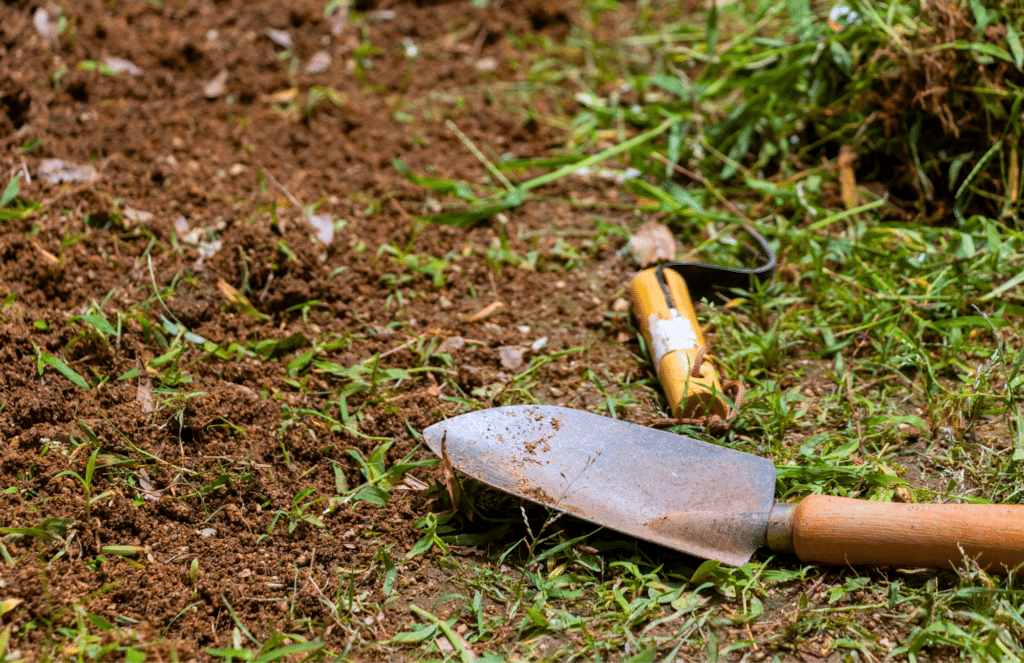
Weeds are one of the biggest threats to a clean mulch installation. If you skip this step, they will come back, often stronger.
To properly eliminate weeds:
- Pull weeds by hand, making sure to remove the roots
- Use mechanical tools for larger areas
- Consider spot-treating stubborn growth (if necessary)
Avoid simply covering weeds with mulch. This is a temporary fix that usually results in regrowth within weeks.
For commercial properties or municipal spaces in Wisconsin and Illinois, thorough weed removal is especially important for maintaining a professional appearance throughout the season.
Step 3: Define and Edge Your Landscape Beds
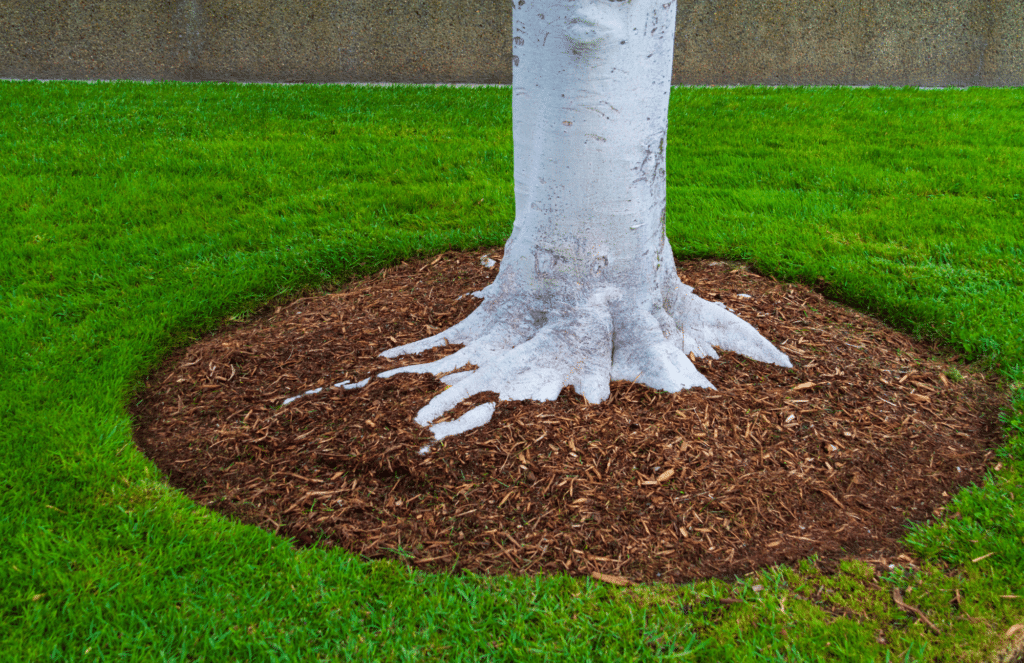
Clean, defined edges make a major difference in how your finished mulch beds look. This step creates a clear boundary between your lawn and landscaped areas.
You can edge using:
- A manual edging tool
- A power edger
- A flat shovel for reshaping borders
Well-defined edges also help keep mulch in place and prevent grass from creeping into your beds. For larger sites or properties with extensive landscaping, professional edging ensures consistent, clean lines across the entire area.
Step 4: Loosen and Level the Soil
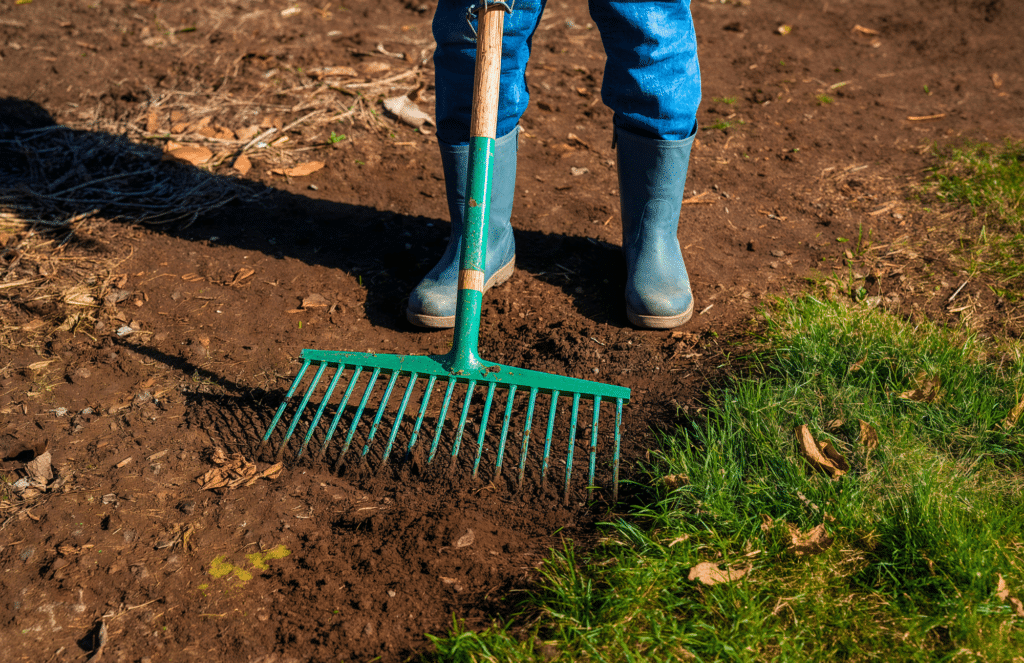
Before applying mulch, take time to improve the condition of the soil underneath.
- Lightly rake or cultivate compacted soil
- Break up clumps and remove rocks
- Level uneven areas for consistent mulch depth
Healthy, loose soil allows water and nutrients to reach plant roots more effectively. This step is especially important in high-traffic areas or construction sites where soil compaction is common.
Step 5: Install Weed Barrier (Optional but Best)
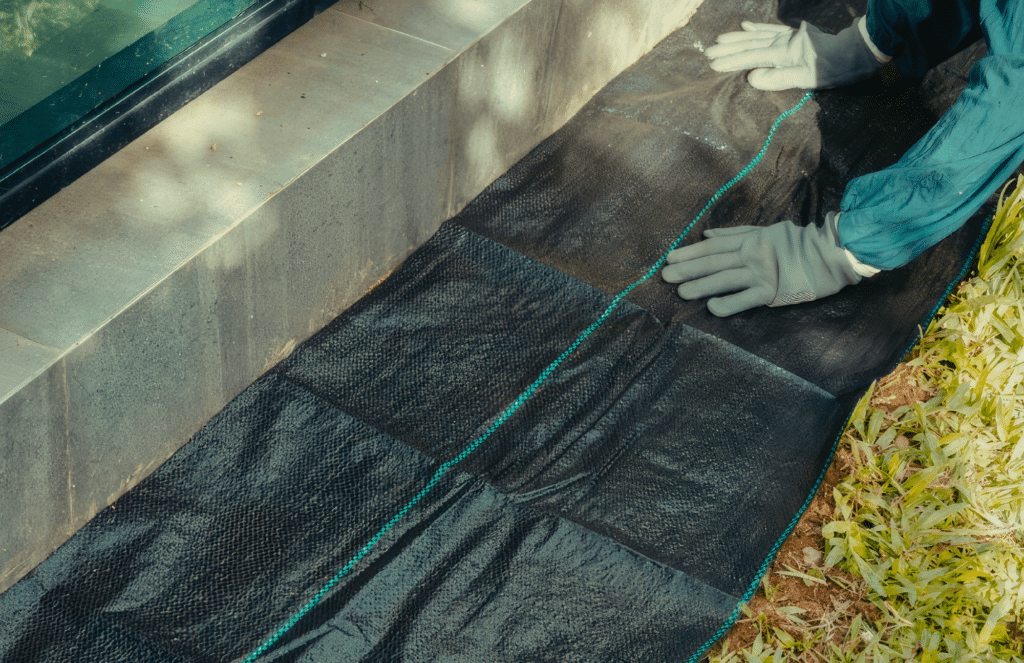
A weed barrier fabric can be helpful in certain situations, particularly in areas prone to heavy weed growth or erosion.
However, it’s important to use it correctly:
- Only install on properly cleared and leveled soil
- Secure it tightly to prevent shifting
- Avoid layering multiple fabrics over time
In many cases, high-quality mulch applied at the proper depth (2–4 inches) can suppress weeds effectively without fabric. The right choice depends on your property’s conditions and long-term maintenance goals.
Step 6: Choose the Right Mulch Type
Not all mulch is created equal. Selecting the right material plays a big role in both performance and appearance.
For properties across Illinois, Wisconsin, Iowa, and Indiana, hardwood mulch is a top choice due to its durability and natural look. Options typically include:
- Natural double or triple ground mulch
- Dyed mulch (black, brown, red, or gold) for enhanced color
- Certified playground mulch for safety-focused areas
High-quality mulch made from 100% natural hardwood provides better coverage, longer color retention, and more consistent breakdown over time.
Step 7: Apply Mulch at the Correct Depth
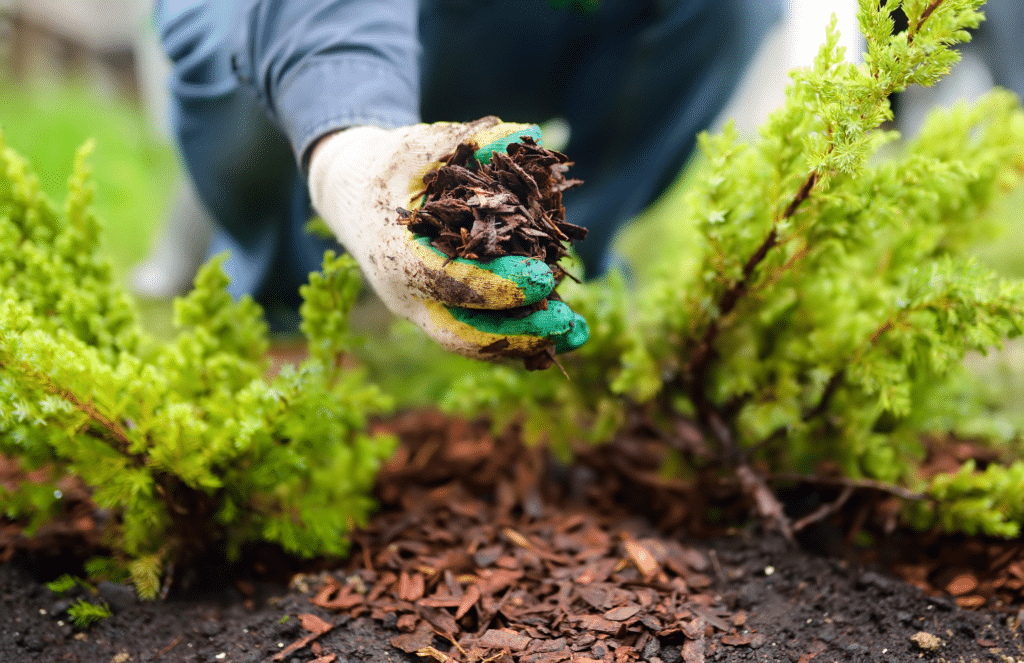
Once your area is fully prepped, it’s time to install the mulch. Proper depth is critical:
- 2–3 inches for general landscape beds
- 3–4 inches for weed-prone areas
Avoid over-mulching, especially around trees and plant bases. Piling mulch too high (commonly known as “mulch volcanoes”) can trap moisture and lead to root rot or disease.
Spread mulch evenly using rakes or by hand, ensuring consistent coverage across the entire bed.
Common Mistakes to Avoid
Even with good intentions, a few common mistakes can impact your results:
- Skipping weed removal
- Applying mulch over uneven ground
- Using low-quality or mixed materials
- Over-applying mulch around tree trunks
- Failing to edge beds before installation
Avoiding these issues will help your landscape stay clean, healthy, and low-maintenance throughout the season.
Final Thoughts: Set Your Landscape Up for Success
Prepping your landscaping for mulch before installation is one of the most important steps in achieving long-lasting results. Whether you’re a homeowner improving curb appeal or a contractor managing a large site, proper preparation ensures your investment pays off.
At Central Tree, LLC in Pingree Grove, Illinois, mulch is produced in-house using 100% natural hardwood and professional-grade equipment, ensuring consistent quality and reliable coverage. With bulk supply and wholesale options, property owners and contractors across Illinois, and the surrounding areas can get the materials they need—ready for a proper install .
If you’re planning a project and need help with mulch picked up, or for delivery:
Request a Free Quote or Stop By Our Location at 14N705 US Highway 20, Pingree Grove, IL to get started.