

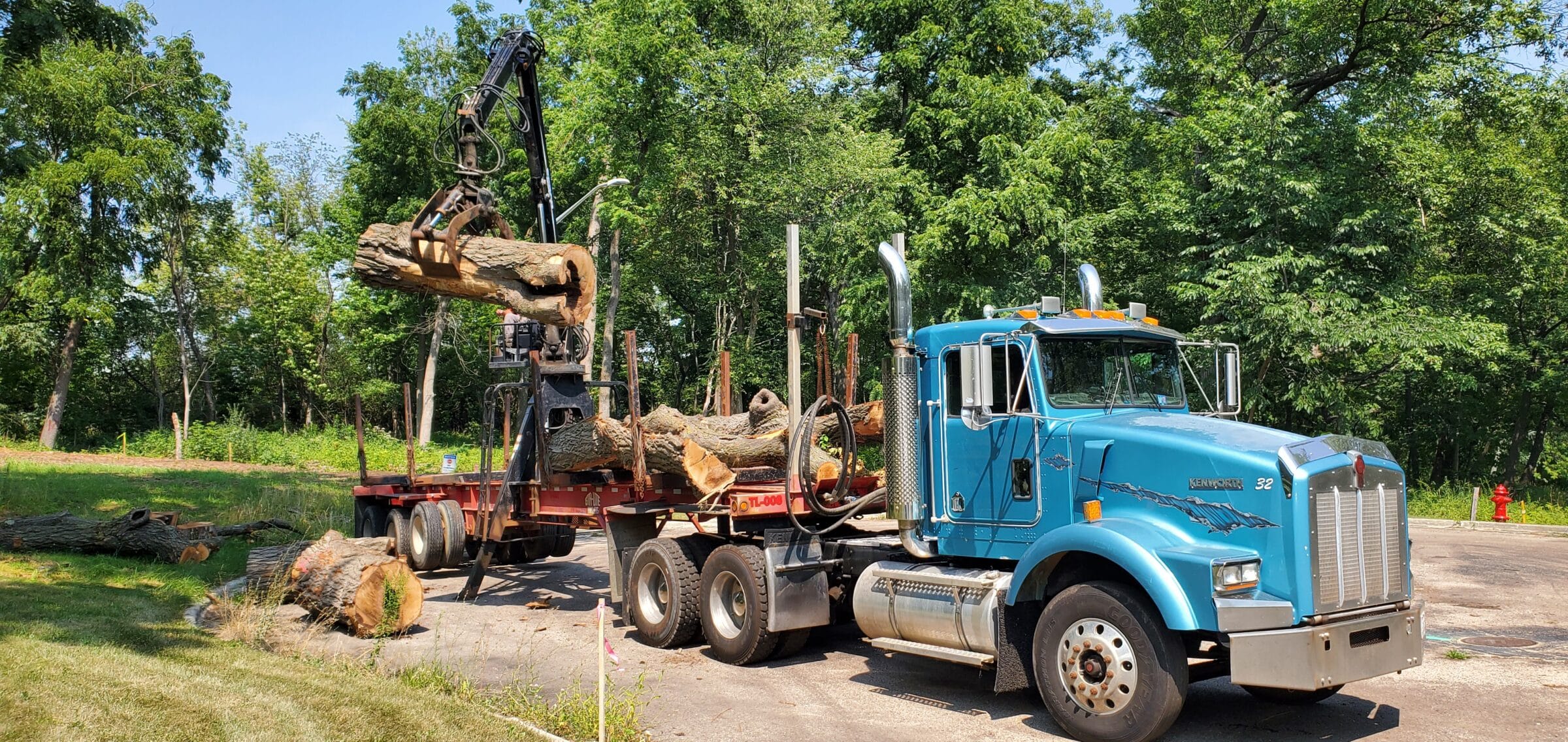
Every year, tree removals, land clearing projects, and forestry operations generate large amounts of wood debris across the Midwest. While many people see fallen trees, branches, and brush as waste, these materials can actually become valuable landscaping products when processed properly. At Central Tree, in Pingree Grove, Illinois, forestry waste is treated as a reusable resource rather than something destined for a landfill. Through the circular mulch economy, we use professional grinding and recycling processes to transform natural hardwood debris into premium mulch and landscape materials for homeowners, contractors, municipalities, and commercial properties.
What Is the Circular Mulch Economy in Forestry?
The “circular economy” focuses on reducing waste by reusing and repurposing materials instead of throwing them away. In the forestry and tree care industry, this means converting removed trees, brush, and wood debris into usable products rather than simply disposing of them.
Instead of a traditional “cut and dump” approach, forestry companies can recycle natural wood material into:
- Landscape mulch
- Playground mulch
- Wood chips for erosion control
- Organic ground cover products
This process not only reduces waste but also gives natural hardwood materials a second life.
How Forestry Waste Becomes Mulch
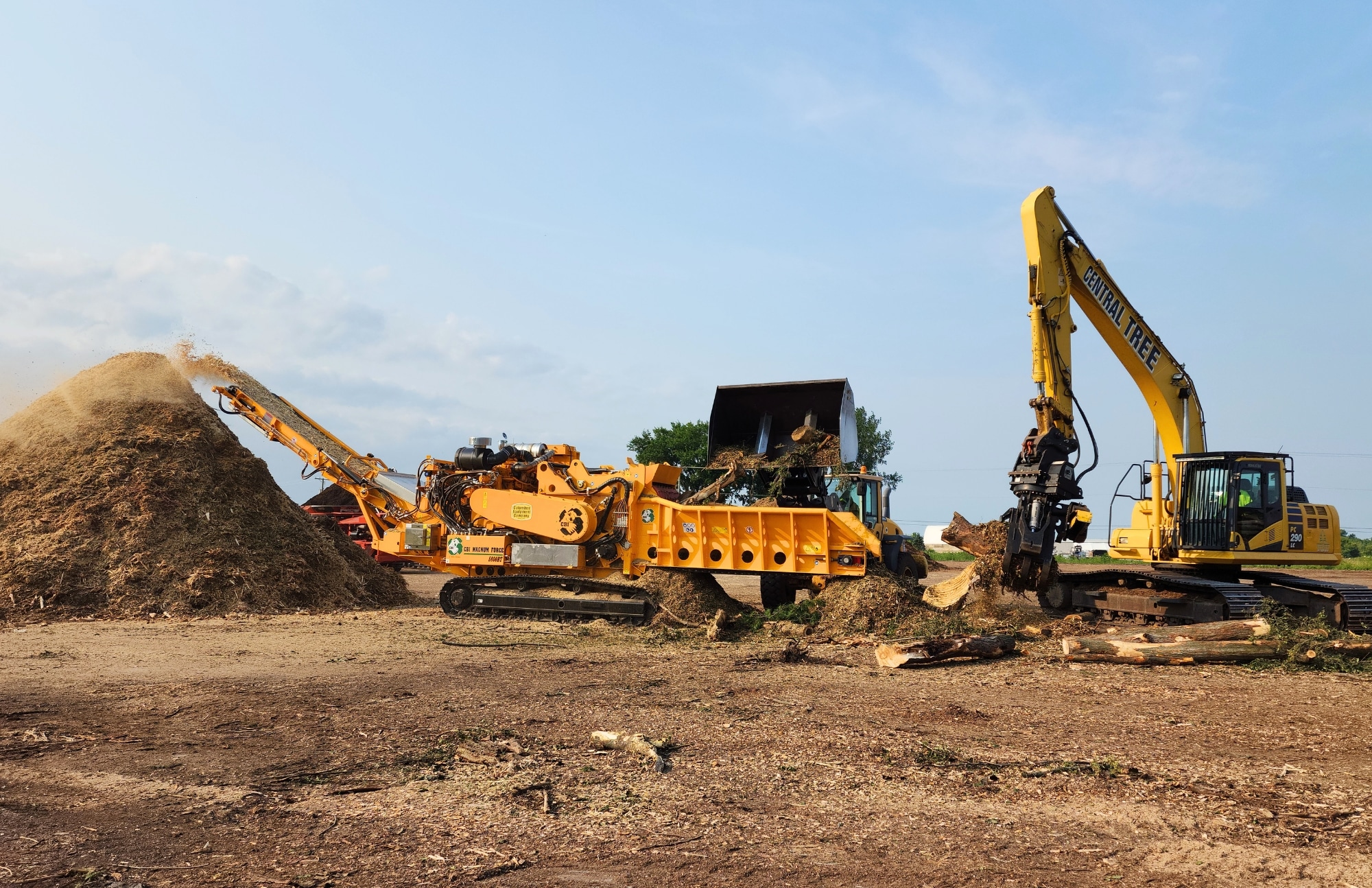
Turning forestry debris into quality mulch involves several important steps. Proper processing helps ensure the finished product is clean, consistent, and safe for landscaping use.
Material Selection
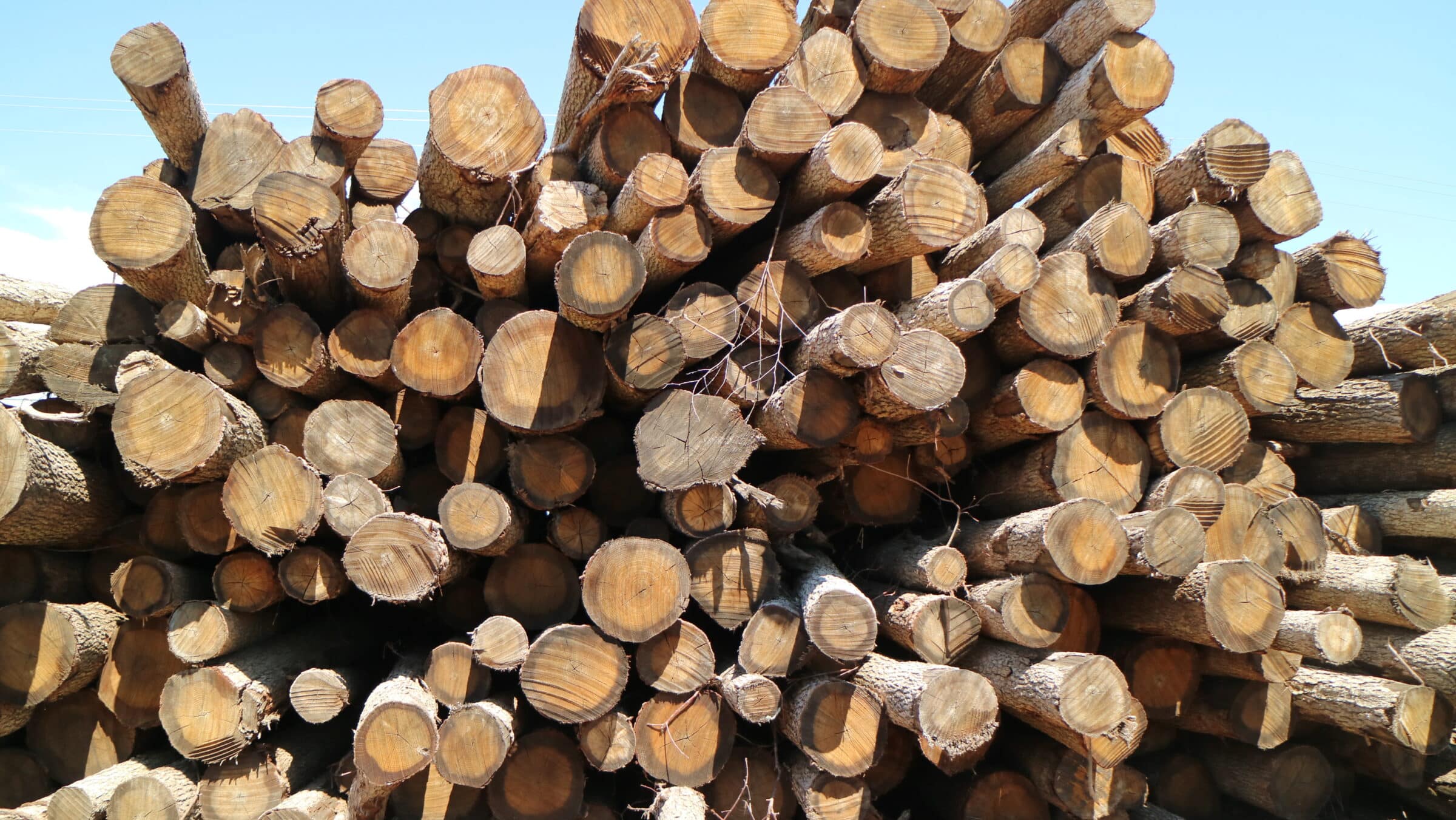
High-quality mulch begins with clean hardwood logs and brush collected from tree removals, lot clearing, and forestry projects. Using only natural hardwood is important because it creates a cleaner, more reliable landscaping product.
Materials like pallets, treated lumber, or construction debris should never be mixed into premium mulch.
Grinding and Processing
Large logs and branches are processed using professional grinding equipment such as mobile wood tub grinders and forestry machinery. The material is reduced into smaller, uniform pieces that are easier to spread and more effective for landscaping.
Depending on the application, mulch may go through multiple grinding stages:
- Double grind mulch for standard landscaping
- Triple grind mulch for finer texture
- Certified playground mulch for recreational areas
Consistent sizing improves both appearance and ground coverage.
Coloring and Finishing
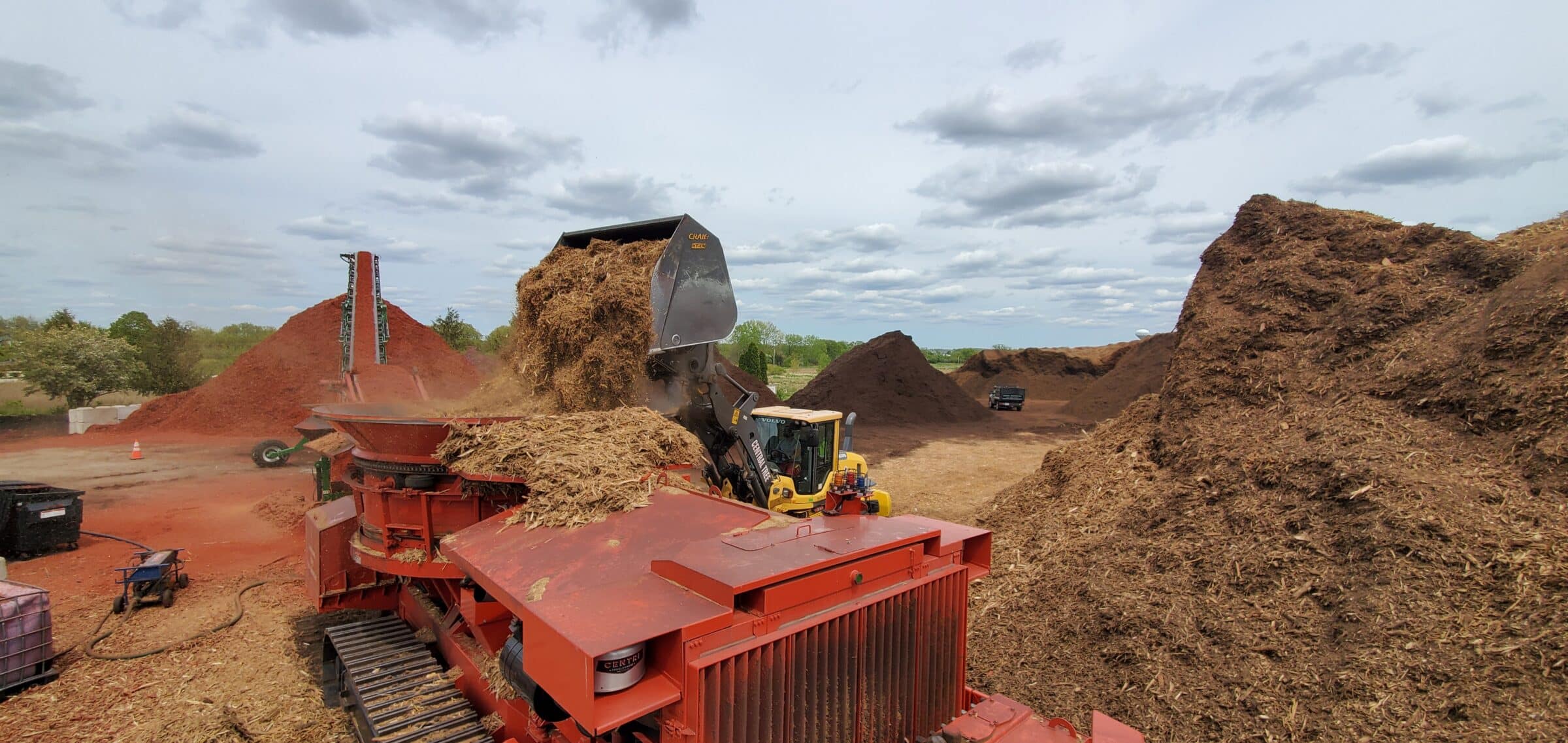
Many homeowners and landscapers choose colored mulch for decorative landscaping projects. Professionally dyed mulch uses commercial-grade, non-toxic coloring that is safe for pets, children, and plants.
Popular mulch colors throughout the Midwest include:
- Black mulch
- Dark brown mulch
- Chocolate mulch
- Gold mulch
- Red mulch
Professionally processed mulch also tends to hold its color longer throughout changing Illinois and Wisconsin seasons.
Environmental Benefits of Recycling Wood Debris
Recycling forestry waste into mulch provides several environmental advantages.
Reduces Landfill Waste
Wood debris can take up significant landfill space when discarded. Recycling natural hardwood helps keep reusable material out of waste facilities.
Supports Soil Health
Natural mulch helps:
- Retain soil moisture
- Reduce weed growth
- Control soil temperature
- Reduce erosion
- Add organic matter back into the soil over time
These benefits can improve plant health while reducing water usage during hot Midwest summers.
Encourages Sustainable Land Management
Using recycled wood products supports environmentally responsible land clearing and forestry practices while helping communities make better use of natural resources.
Why Local Mulch Production Matters
Locally manufactured mulch often provides better quality control and fresher material than mass-produced alternatives shipped from long distances. Regional production also reduces transportation costs and supports local recycling efforts.
Central Tree manufactures all of our mulch directly at our Pingree Grove, IL facility using recycled hardwood from our regional forestry and land clearing projects. This approach helps provide reliable landscape materials for homeowners, contractors, municipalities, schools, and HOAs throughout Illinois, Wisconsin, Iowa, and Indiana.
As sustainability becomes increasingly important, recycling forestry debris into usable landscaping products continues to play a major role in responsible land management.
To learn more about our mulch or land clearing services, we invite you to Request a Free Quote or Stop By Our Location at 14N705 US Highway 20, Pingree Grove, IL.