
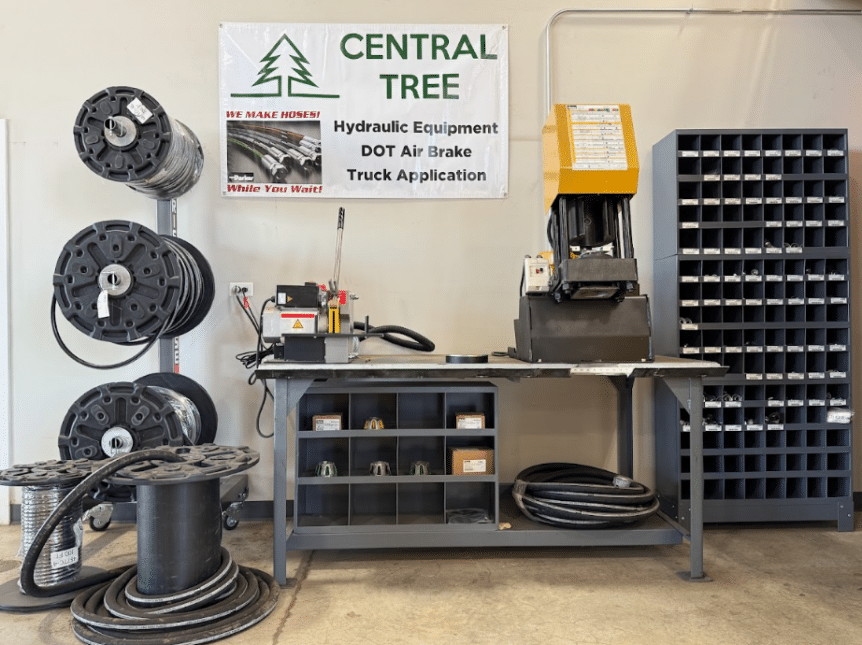
For contractors across Illinois, Wisconsin, Iowa, and Indiana, hydraulic systems are the backbone of daily operations. From skid steers and excavators to forestry mulchers and grapples, these machines depend on high-pressure hydraulic hoses to function efficiently. When a hose fails, it doesn’t just slow you down—it can bring an entire job site to a halt.
Understanding how to properly maintain hydraulic hoses is one of the most cost-effective ways to reduce downtime, improve safety, and extend the life of your equipment. Whether you’re managing a fleet or running a single machine, proactive maintenance is key.
Why Hydraulic Hose Maintenance Matters
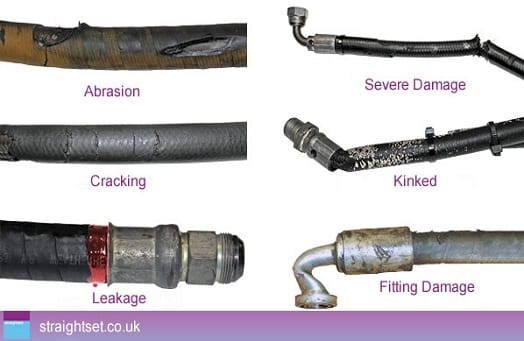
Image source: Straightset
Hydraulic hoses operate under extreme pressure, temperature changes, and environmental exposure. Over time, even the highest-quality hoses wear down. Without proper maintenance, small issues like surface cracks or loose fittings can quickly turn into major failures.
Common consequences of poor hose maintenance include:
- Unexpected equipment downtime
- Costly emergency repairs
- Safety hazards for operators
- Environmental damage from fluid leaks
For contractors working on tight timelines, especially in municipal or commercial projects, these risks can quickly impact productivity and profitability.
Key Signs Your Hydraulic Hoses Need Attention
Routine inspection is your first line of defense. Catching early warning signs can prevent catastrophic failure.
1. Visible Cracks or Dry Rot
Hoses exposed to sunlight and weather can develop cracks in the outer rubber. This is especially common in older equipment or machines stored outdoors.
2. Abrasion or Wear Spots
If hoses rub against other components, the outer layer can wear down. This weakens the hose and increases the chance of rupture.
3. Leaks or Seepage
Even minor fluid leaks indicate a problem. Look for damp spots, oil residue, or pooling fluid near connections.
4. Bulging or Swelling
A hose that appears swollen may have internal damage. This is often a sign the hose is close to failure.
5. Loose or Damaged Fittings
Connections should be tight and secure. Worn or improperly installed fittings can lead to pressure loss or leaks.
Best Practices for Hydraulic Hose Maintenance
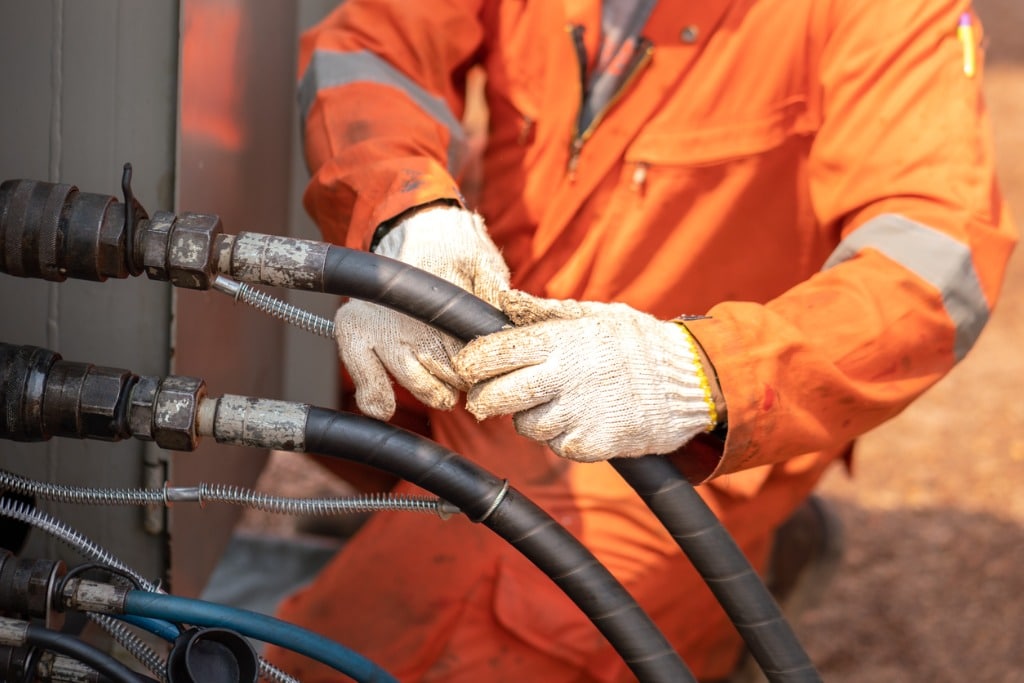
Image source: Hyspeco
Perform Regular Inspections
Check hoses daily or weekly depending on usage. Pay close attention to high-movement areas and connection points.
Keep Hoses Clean
Dirt and debris can hide damage and accelerate wear. Cleaning hoses regularly makes inspections more effective and prevents contamination.
Use Proper Routing
Ensure hoses are routed away from sharp edges, pinch points, and high-heat areas. Poor routing is one of the leading causes of premature failure.
Install Protective Sleeving
Protective sleeves or guards can significantly extend hose life by preventing abrasion and shielding against debris.
Replace Before Failure
Don’t wait for a hose to burst. If you notice wear or aging, replace it proactively to avoid costly downtime.
Seasonal Considerations in the Midwest
Contractors in the Midwest face unique challenges due to fluctuating weather conditions.
- Cold Winters (Illinois, Wisconsin, Iowa): Hydraulic hoses can become brittle in freezing temperatures, increasing the risk of cracking.
- Hot Summers: Heat can accelerate rubber degradation and increase internal pressure.
- Mud and Debris: Common on job sites, these can cause abrasion and conceal damage.
Adjust your maintenance schedule seasonally to account for these environmental factors.
The Importance of Quality Components
Not all hydraulic hoses are created equal. Using professional-grade hoses and fittings ensures better durability and performance under demanding conditions.
At Central Tree, LLC in Pingree Grove, IL, contractors have access to:
- High-pressure hydraulic hoses and fittings from trusted manufacturers like Parker
- Custom-built hose assemblies made to exact specifications
- On-site fabrication to minimize downtime
- Expert support for proper hose selection and installation
Having a reliable local source for hydraulic components can make a major difference when time is critical on a job site.
When to Repair vs. Replace
A common question contractors face is whether to repair or fully replace a hose.
Repair may be appropriate if:
- The damage is limited to fittings
- The hose is relatively new
- There are no signs of internal wear
Replacement is recommended if:
- The hose shows cracking, bulging, or significant wear
- There are multiple damaged areas
- The hose has failed before
When in doubt, replacement is often the safer and more cost-effective long-term solution.
Minimizing Downtime with Preventative Maintenance
Preventative maintenance isn’t just about avoiding problems—it’s about keeping your operation running smoothly. Contractors who implement routine hydraulic checks often experience:
- Fewer job interruptions
- Lower long-term repair costs
- Improved equipment lifespan
- Safer working conditions
For high-use equipment like forestry mulchers, stump grinders, and excavators, this can translate into significant savings over time.
Local Support Matters for Contractors
When a hydraulic hose fails, waiting days for a replacement isn’t an option. That’s why working with a local provider is critical.
Central Tree, LLC offers in-house hydraulic hose fabrication at their Pingree Grove, IL facility, allowing contractors across the region to get custom hoses built quickly—often while they wait. This level of responsiveness helps keep projects on schedule and reduces costly downtime.
Keep Your Equipment Running Strong
Hydraulic hose maintenance is one of the simplest ways to protect your equipment investment and keep your job sites productive. By staying proactive, using quality components, and working with a trusted local provider, contractors can avoid unexpected breakdowns and maintain peak performance year-round.
If you need custom hydraulic hoses, fittings, or expert repair services, Request a Free Quote or Stop By Our Location at 14N705 US Highway 20 in Pingree Grove, IL. Central Tree, LLC is ready to help keep your equipment operating at its best.